Oct. 26, 2026
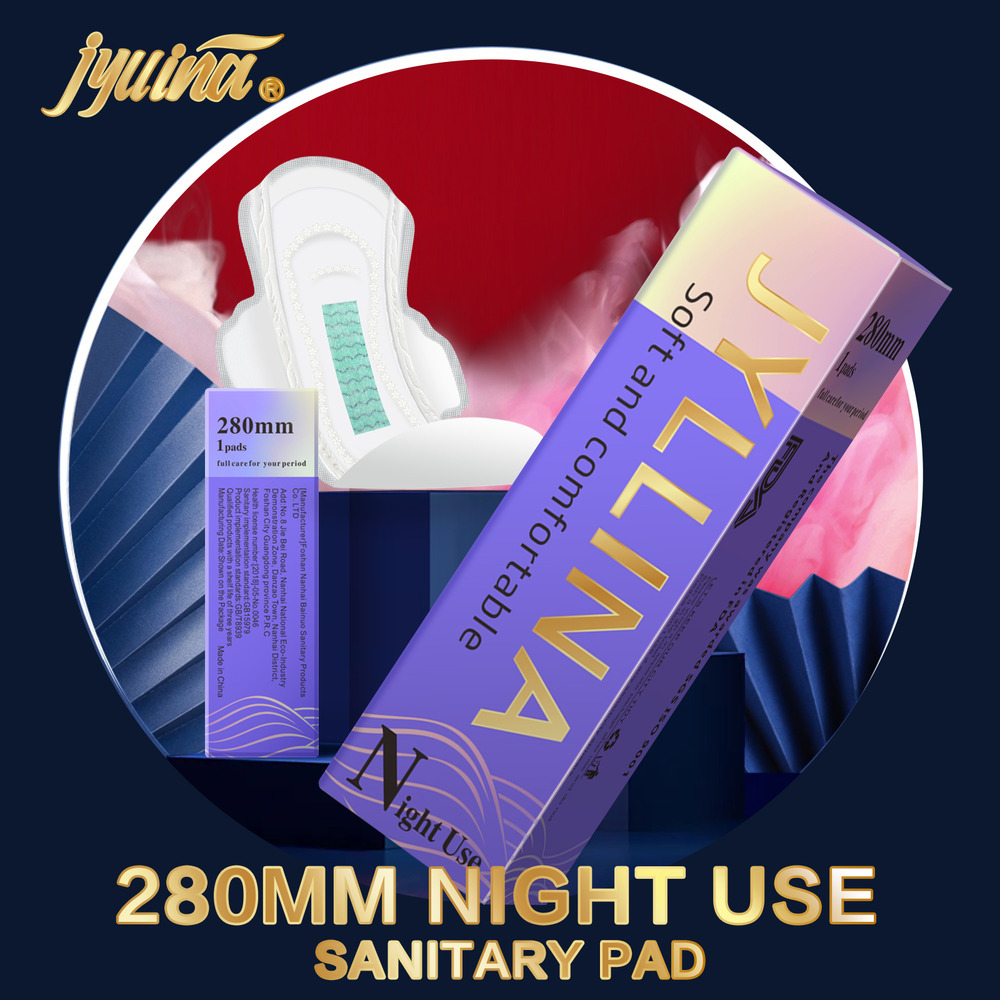
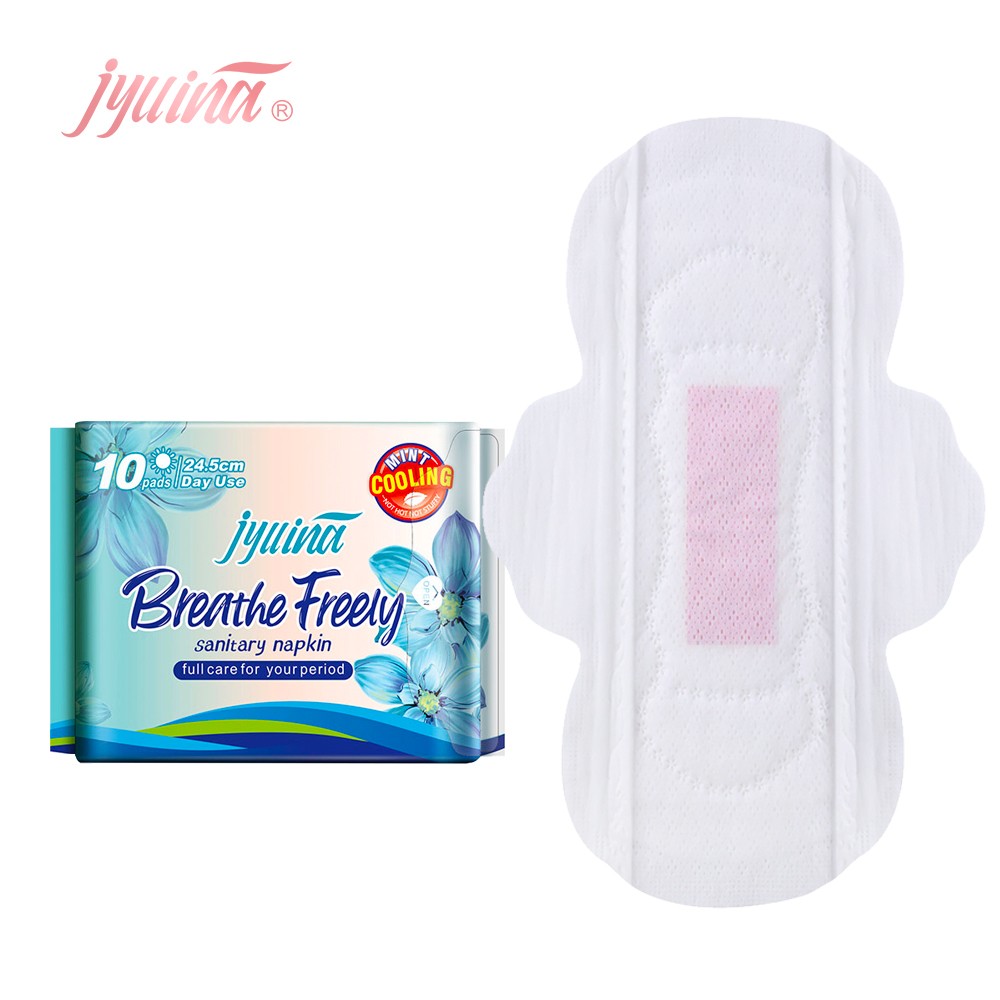
When I compare boxed vs bagged sanitary pads: packaging differences, I look beyond appearance. Bags usually offer lower packaging cost, flexible pack sizes, and efficient use of storage space, while boxes provide stronger shelf presentation, easier stacking, and a more structured premium or recyclable positioning. The better option depends on individual wrapping, material structure, retail channel, transport conditions, and sustainability objectives.
!
A boxed sanitary pad product uses a rigid paperboard carton as its outer retail package. A bagged product uses a flexible plastic, paper, or laminated pouch that may include a zipper, adhesive seal, handle, or tear-open feature. In both formats, the pads may be individually wrapped, grouped in inner packs, or placed directly inside the outer package.
The most important distinction is that outer packaging does not automatically determine hygiene. Individually wrapped sanitary pads provide the main unit-level barrier against handling, dust, moisture, and contamination after the retail package is opened. Therefore, I assess the outer box or bag together with the individual wrapper, sealing method, storage conditions, and transport process.
| Evaluation factor | Boxed sanitary pads | Bagged sanitary pads |
|---|---|---|
| Outer structure | Rigid paperboard carton | Flexible pouch or sack |
| Shelf presentation | Clear front-facing display and organized panels | Larger graphics with flexible shape |
| Stackability | Usually easier to stack and align | Can deform under compression |
| Packaging cost | Often higher because of carton material and forming | Often lower, especially for simple pouches |
| Pack-size flexibility | Works well for standard retail counts | Suitable for large, small, and refill-style packs |
| Portability | Easy to place in drawers or cabinets | Lightweight and convenient for travel or bulk use |
| Moisture protection | Depends on carton coating and inner barrier | Laminated bags can provide stronger outer moisture resistance |
| Recyclability | Paperboard may be recyclable if clean and properly separated | Depends on whether the flexible film is recyclable locally |
| Premium positioning | Strong for gift-like, organic, or specialty presentation | Strong for value packs, family packs, and practical products |
| Warehouse efficiency | Predictable dimensions and carton stacking | Lower weight but more variable shape |
When buyers ask whether boxed packaging is more hygienic than bagged packaging, I explain that the answer depends on the full packaging system rather than the outer format. A sealed bag with a suitable moisture barrier can protect its contents more effectively than an unlined paperboard box exposed to humidity. Conversely, a rigid box containing individually sealed pads can provide reliable handling protection during retail display and home storage.
Paperboard boxes protect against crushing and direct contact, but standard cartons may absorb moisture if stored in damp warehouses or bathrooms. A coated carton, inner liner, or sealed individual wrapper reduces that risk. Flexible bags can use polyethylene, polypropylene, or multilayer films, although the exact barrier properties depend on film thickness, seal quality, and the packaging specification.
For sanitary pad packaging for hygiene and storage, I recommend checking four details:
The individual wrapper is especially important for portable menstrual products. If a consumer carries one pad in a handbag, school bag, or travel case, the wrapper should remain closed, resist tearing, and protect the adhesive side and absorbent surface from contact with other objects.
Boxed sanitary pads are generally convenient for organized home storage. Their flat sides allow consumers to place them in drawers, cabinets, and retail shelves without the package collapsing. I also find boxes useful for brands that want to communicate absorbency level, pad length, usage instructions, material information, and disposal guidance across several printed panels.
Bagged sanitary pads are often easier to transport when the package contains a higher count. A flexible pouch weighs less than a comparable carton and can fit into irregular spaces in luggage or storage bins. However, a bag with no resealable closure may be less convenient after opening, particularly when the pads are not individually wrapped.
Disposal depends on material composition and local collection systems. Clean paperboard is commonly easier to separate for recycling than multilayer flexible film, but printed coatings, adhesives, windows, and contamination can affect acceptance. Used sanitary pads and their individual wrappers should not be placed in recycling containers unless local waste authorities specifically permit that material.
The best format changes according to where the product is sold. Supermarkets often favor boxes because standardized dimensions improve shelf alignment, barcode placement, price labeling, and planogram management. Convenience stores and pharmacies may prefer compact bags or small cartons that provide a visible product count without using excessive shelf depth.
For ecommerce sellers, packaging must withstand parcel handling rather than only shelf display. A rigid box can protect pad shapes during stacking, but it may require an additional shipping carton. A flexible bag uses less primary packaging material, although it may need secondary protection if compression could damage the contents or deform the retail package.
For value products, bags can support lower packaging costs and larger counts. For premium brands, organic products, or specialty lines, boxes provide more printable surface area for material claims, usage instructions, certifications, and brand storytelling. A premium appearance should still be supported by verifiable information rather than unsupported claims about hygiene, biodegradability, or medical performance.
A packaging cost comparison should include more than the price of paperboard or film. I calculate the total packaging cost by considering the outer material, printing, forming, sealing, individual wrappers, secondary cartons, pallet efficiency, damage rate, and labor required for handling.
Boxes may require die-cutting, folding, gluing, and more complex artwork preparation. Their regular shape can improve pallet stacking and reduce movement inside shipping cartons, but the additional board weight can increase freight cost. Bags generally use fewer structural components and can be produced in flexible pack sizes, but poor sealing or weak film can lead to leakage, tearing, or package deformation.
| Buyer priority | More suitable format | Main reason |
|---|---|---|
| Lowest outer-packaging cost | Bagged | Flexible film usually requires fewer structural components |
| Premium shelf appearance | Boxed | Rigid panels provide organized presentation and information space |
| Large family or institutional count | Bagged | Flexible packs accommodate higher quantities |
| Easy shelf stacking | Boxed | Consistent dimensions support stable merchandising |
| Travel and irregular storage | Bagged | Lightweight and flexible construction |
| Detailed product education | Boxed | Several printable panels provide more communication space |
| Moisture-sensitive logistics | Either, with validation | Barrier performance depends on material and seal design |
| Recyclability goals | Usually paperboard, subject to local rules | Fiber packaging may be easier to sort than multilayer film |
I would not choose a format solely because its unit price is lower. If a flexible bag suffers a higher damage rate during transport, the apparent saving can disappear through replacements, retailer deductions, and customer complaints. A box can also become expensive if its dimensions create low pallet utilization or require oversized ecommerce shipping cartons.
Outer packaging and individual pad wrapping serve different functions. The outer package groups the product for sale, while each individual wrapper protects a single pad after the main package is opened. Treating a box or bag as a complete hygiene system can result in incorrect purchasing decisions.
Individually wrapped sanitary pads are useful for travel, schools, workplaces, public facilities, and consumers who carry spare products for several days. The wrapper should open without damaging the pad, keep the adhesive area clean, and remain sealed during normal handling. If the product is not individually wrapped, the outer package must provide stronger resealing and storage protection after opening.
For a boxed product, individual wrappers can also prevent friction between pads and reduce exposure when the carton is opened repeatedly. For a bagged product, individual wrapping helps maintain cleanliness because flexible pouches may be folded, squeezed, or stored in less controlled conditions. In both cases, the wrapper material should be evaluated for tear resistance, sealing consistency, and disposal instructions.
A hybrid format combines the strengths of both packaging types. One example is a paperboard box containing individually wrapped pads, which supports shelf presentation, unit-level protection, and organized home storage. Another is a flexible retail bag containing smaller individually wrapped packs, which can reduce outer packaging weight while preserving portability.
I consider hybrid packaging particularly suitable for private-label brands that need both premium presentation and practical distribution. It can also suit pharmacies, hotels, workplace programs, and subscription sellers that want clear product organization without using a large rigid carton for every unit.
The tradeoff is a higher material count. A box plus individual wrappers may create more packaging waste than a simple bag, so the brand should justify the structure through protection, reuse, recycling pathways, or a clearly defined user need. For eco-friendly menstrual product packaging, I would compare total material weight, recycled content, local recyclability, ink and adhesive choices, and the number of packaging layers.
I recommend validating packaging through documented tests before placing a large production order. A package that looks suitable in a sample photograph may fail after heat exposure, compression, vibration, or repeated handling. Validation should cover both the outer package and the individual pad wrapper.
The following checks provide a practical starting point:
Bainuo presents itself as a manufacturer integrating research and development, production, sales, laboratory testing, automated packaging, and OEM/ODM services. Its public company information identifies Guangdong Bainuo Sanitary Product Co., Ltd. as established in 2006 and lists sanitary napkins, biodegradable sanitary pads, organic cotton products, bamboo fiber products, and customized packaging among its capabilities. For a private-label buyer, these details make packaging validation and product specification discussions more practical, but I would still request current test records, samples, material declarations, and transport results for the exact product.
There is no single best packaging format for every sanitary pad product. I would choose a box when shelf presentation, stacking, printed information, and premium positioning are central requirements. I would choose a bag when lower outer-packaging cost, flexible pack sizes, light weight, and bulk distribution are more important.
The strongest option often depends on the internal design. A bag with individually wrapped pads may provide better practical protection than a box containing loose pads, while a box with individually wrapped pads may offer the clearest retail and storage experience. The purchase decision should therefore compare the complete package structure, not only the shape of the outer container.
| If your main priority is… | Choose… | Confirm before ordering |
|---|---|---|
| Premium supermarket presentation | Boxed format | Carton strength, dimensions, barcode location, print claims |
| Low-cost bulk purchasing | Bagged format | Film thickness, seal strength, count accuracy, pallet efficiency |
| School or workplace distribution | Individually wrapped pads in bags or boxes | Easy opening, discreet handling, storage after opening |
| Ecommerce sales | Box or reinforced bag | Drop resistance, compression performance, shipping dimensions |
| Recyclability positioning | Paperboard-led or validated mono-material format | Local recycling acceptance and claim evidence |
| Multiple absorbency levels | Boxed format | Clear labeling and variant differentiation |
| Travel-size or portable packs | Small bag or compact box | Wrapper integrity and reseal performance |
| Premium eco-conscious line | Hybrid or paper-led packaging | Material sourcing, coatings, inks, adhesives, and disposal guidance |
Boxed vs bagged sanitary pads: packaging differences matter because the package influences hygiene protection, moisture resistance, storage, transport, shelf presentation, disposal, and total cost. I generally recommend boxed sanitary pads for pharmacies, supermarkets, premium brands, and products that require extensive printed information. Bagged sanitary pads are usually more practical for bulk purchasing, value packs, institutional distribution, and flexible pack sizes.
Neither format is automatically more hygienic. The deciding factors are individual wrapping, seal integrity, moisture barriers, warehouse conditions, transport testing, and how the consumer stores the product after opening. For many buyers, a hybrid structure—such as individually wrapped pads inside a paper box or flexible bag—offers a balanced solution.
Before approving a package, I would request production-equivalent samples, confirm material specifications, test seals and compression resistance, verify barcode placement, review environmental claims, and complete a transport trial. That process helps private-label brands, retailers, schools, pharmacies, ecommerce sellers, and bulk buyers select packaging based on measurable requirements rather than appearance alone.
Latest News
Oct. 30, 2026
Oct. 29, 2026
Oct. 28, 2026
Talk to our experts today.
Tel: 0086 13302562673
Email: jennybainuo01@gmail.com
Add:No. 2 Building, No. 13 Tongsheng 1st Road, Nanshan Town, Sanshui District, Foshan City, Guangdong Province, 528100, China
NAVIGATION
NAVIGATION
CONTACT US
Tel: 0086 13302562673
Email: jennybainuo01@gmail.com
Add: No. 2 Building, No. 13 Tongsheng 1st Road, Nanshan Town, Sanshui District, Foshan, Guangdong, 528100,CHINA